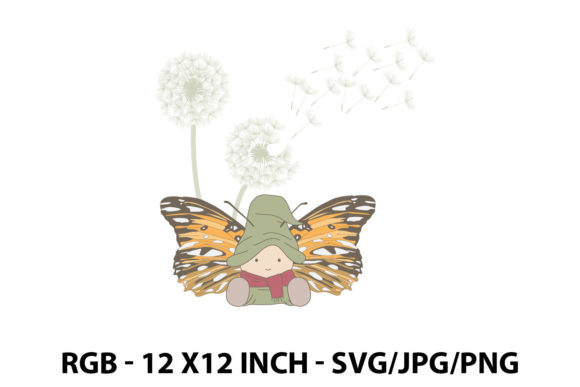
Baby Fairy Graphics & Illustrations
As a brand designer and content marketer, I always look for creative design elements that can elevate a campaign without overwhelming the message. Baby Fairy, a single SVG artwork, offers a unique blend of whimsy and professionalism that can fit into various marketing scenarios. This graphic design asset is ideal for small business branding, digital product creation, and visual storytelling across multiple platforms.
The First Impression: Whimsical Yet Professional
When I first saw Baby Fairy, I was struck by its delicate balance between playful and polished. The illustration exudes a soft, magical energy that can evoke feelings of nostalgia, innocence, and creativity. This makes it perfect for brands targeting parents, children, or anyone looking for a touch of enchantment in their visuals.
The mood it creates is warm and inviting, making it suitable for lifestyle content, handmade products, and event promotions. It doesn’t feel too childish or too formal, which gives it flexibility in different brand contexts. Whether used in a seasonal campaign or as part of a content kit, Baby Fairy adds a layer of charm without overshadowing the main message.
Real-World Applications for Baby Fairy
One of the strengths of Baby Fairy is its versatility. As a graphic design asset, it can be adapted to various marketing visuals, from social media graphics to packaging design. For example, a small business launching a new line of baby-related products could use Baby Fairy as a logo design element or as an accent on product labels.
In digital ads, this SVG design can serve as a hero graphic or a campaign header. On Pinterest, it could be part of a visually appealing pin that catches attention while maintaining a clean aesthetic. For blog graphics or email banners, Baby Fairy can act as a subtle yet effective visual cue that reinforces brand identity.
It also works well in editorial design, where it can add a decorative touch without disrupting the flow of information. In Canva templates, it provides a ready-to-use element that users can customize with their brand colors and fonts.
Supporting Marketing Goals with Baby Fairy
Using Baby Fairy can help strengthen a brand’s first impression by adding a memorable visual element. It contributes to a clearer visual hierarchy, ensuring that the design remains organized and easy to navigate. This is especially important in social media graphics, where clarity and impact are key.
For small business branding, Baby Fairy supports consistent visuals across all touchpoints. Whether it’s a website header, a printable design, or a promotional banner, it helps create a cohesive look that builds audience trust. Its presence in a campaign can also enhance emotional connection, making the brand more relatable and approachable.
Additionally, Baby Fairy can improve engagement by adding a unique visual flair that stands out in crowded digital spaces. It can be used in content bundles, lead magnets, or media kits to offer value while reinforcing brand messaging.
Where Baby Fairy Shines
Baby Fairy excels in scenarios that require a touch of creativity without compromising professionalism. It’s ideal for hero graphics, campaign headers, and product launch visuals that need a strong, eye-catching element. When integrated into branded templates, it can streamline the design process for content creators and marketers.
It also works well as a packaging accent, adding a personal and artistic touch to physical products. In editorial layouts, it can serve as a decorative brand element that enhances the overall aesthetic without distracting from the content.
For digital campaigns, Baby Fairy can be used in promotional banners, event flyers, and posters to create a sense of excitement and anticipation. Its adaptability makes it a valuable addition to any design bundle or creative marketplace offering.
Where to Use Baby Fairy with Caution
While Baby Fairy is versatile, it may not be the best choice for every project. In formal corporate branding, its whimsical nature might clash with a more serious tone. Similarly, in dense information layouts, it could distract from the main message if not placed thoughtfully.
On small mobile screens, the details of the illustration may not be as visible, so it’s important to test it at various sizes. Low-contrast backgrounds could make it less effective, and overly minimal brands may find it too busy.
In text-heavy ads or designs where the asset competes with the main message, Baby Fairy should be used sparingly. It’s essential to maintain a balance between creativity and clarity to ensure the design remains professional and impactful.
Practical Designer Notes for Using Baby Fairy
Before incorporating Baby Fairy into a campaign, it’s wise to test it with your brand’s color palette. Ensure it looks good in both black and white and in full color. Place it inside real campaign mockups to see how it interacts with other elements.
Preview it on mobile screens to check readability and visibility. Compare it against competitor visuals to ensure it stands out in the market. Test how it pairs with different font styles—serif, sans serif, script, handwritten, and display fonts—to find the best combination for your brand.
Review spacing and balance to avoid clutter. Confirm that you have the proper commercial license before using it in paid campaigns, client work, or business branding. This ensures that your design assets are legally sound and ready for professional use.
Conclusion: A Versatile Asset for Creative Marketers
Baby Fairy is more than just an illustration—it’s a powerful tool for brand owners, content creators, and marketers looking to enhance their visual storytelling. Its ability to blend whimsy with professionalism makes it suitable for a wide range of applications, from social media graphics to packaging design.
Whether you’re building a content kit, preparing a digital campaign, or refreshing your brand identity, Baby Fairy can add a unique and memorable touch. With careful placement and thoughtful integration, it can elevate your marketing visuals and help you connect with your audience in a meaningful way.