Magic Hand Embroidery Design Review
As an embroidery designer and product reviewer, I’ve evaluated countless machine embroidery designs. Magic Hand stands out for its unique visual appeal and versatility in real-world applications. This single SVG artwork offers a creative foundation that can be adapted to various projects, from custom apparel to handmade gifts. But how does it perform when stitched onto fabric? Let’s dive into the details.
First Impressions: A Bold, Expressive Design
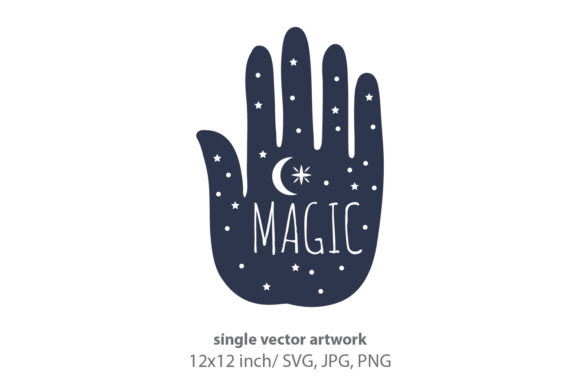
Magic Hand immediately catches the eye with its dynamic shape and expressive style. The design features a stylized hand with an almost whimsical, magical quality. Its layout is clean yet intricate, making it suitable for both simple and detailed embroidery projects. The theme feels modern and artistic, which makes it ideal for personalized gifts, boutique products, or even commercial branding efforts.
The level of detail is impressive, especially for an SVG file. It includes elements that could translate well into satin stitch or fill stitch patterns, giving the finished product a polished look. The overall mood is friendly and approachable, which could resonate well with customers looking for something unique and meaningful.
Real-World Use Cases: From Tote Bags to Baby Items
Imagine preparing a custom embroidered tote bag for a client. Magic Hand could serve as a striking centerpiece, adding a personal touch to a practical item. When stitched onto cotton canvas, the design would stand out without overwhelming the fabric. For a sweatshirt or t-shirt, it could work as a subtle but memorable accent.
In the realm of baby items, Magic Hand could be used on onesies, blankets, or burp cloths. Its playful nature would fit well with nursery decor, and the design’s clarity would ensure it looks great after multiple washes. For a patch or applique design, it could be applied to jackets, backpacks, or caps, offering a distinctive look that sets a product apart.
For holiday or wedding gifts, Magic Hand could be incorporated into pillow covers, tea towels, or decorative items. Its visual personality would add a touch of creativity and thoughtfulness, making it a strong choice for personalized presents.
Where to Be Cautious: Design Limitations and Fabric Considerations
While Magic Hand is versatile, there are situations where it may not perform as well. On small hoop sizes, the design might require splitting into sections, which could complicate the stitching process. Thin or stretchy fabrics could cause the stitches to pucker or distort, so testing on scrap fabric is essential before committing to a final project.
On dark fabrics, the design may not show up as clearly, depending on the thread colors used. For layered garments or curved surfaces like caps, the design’s complexity could lead to stitching issues if not properly stabilized. Tiny lettering or detailed corners may not hold up well on textured or heavy fabrics.
Dense stitch areas could lead to stiffness in the fabric, which might affect comfort or durability. If used as a decorative accent, it’s important to balance the design with other elements to avoid overwhelming the overall look.
Impact on Visual Appeal and Customer Perception
Magic Hand has the potential to elevate the visual appeal of any project it’s used on. Its clear lines and structured layout make it easy to recognize, which is crucial for brand consistency and customer recognition. When stitched onto a handmade product or custom apparel, it adds a professional touch that can increase perceived value.
For Etsy sellers or small shop owners, this design could help differentiate their offerings from generic options. It provides a unique selling point that can attract buyers looking for something special. As a personalized gift, it could also foster a stronger emotional connection with the recipient.
When used in printable mockups or digital product previews, Magic Hand maintains its clarity and impact, making it a solid choice for marketing materials. Its adaptability across different mediums enhances its usefulness for creative entrepreneurs and craft businesses.
Practical Designer Notes: Testing and Preparation
Before using Magic Hand in a production setting, I recommend testing it on scrap fabric. This will help you assess how the design translates to actual stitching and whether it meets your expectations. Check the thread color contrast against the fabric to ensure visibility and cohesion.
Review the stitch density to determine if it’s suitable for your project’s needs. Confirm the hoop size required for the design and ensure it fits your embroidery machine. Inspect small details closely, as they may not hold up under certain conditions.
Test the design in black and white mockups to see how it appears without color. Compare it against both light and dark fabric backgrounds to ensure it remains visible and appealing. Use the appropriate stabilizer for the fabric type to prevent puckering or distortion.
Make sure the design works for both personal and commercial use, and always verify the licensing terms before selling finished items or digital products. This ensures you’re compliant and avoids any legal issues down the line.
Final Thoughts: A Versatile and Creative Embroidery Asset
Magic Hand is a compelling embroidery design that offers both aesthetic appeal and practical flexibility. Whether you’re creating custom apparel, handmade gifts, or boutique merchandise, it has the potential to enhance your work and attract a wider audience. However, like any design, it requires careful consideration of fabric type, stitch settings, and project scope.
For embroidery designers, small business owners, and crafters, Magic Hand represents a valuable addition to your design assets. With proper preparation and attention to detail, it can become a go-to choice for a variety of projects. Just remember to test, adjust, and tailor it to your specific needs for the best results.