Tree Book Embroidery Design Review
First Impressions of Tree Book
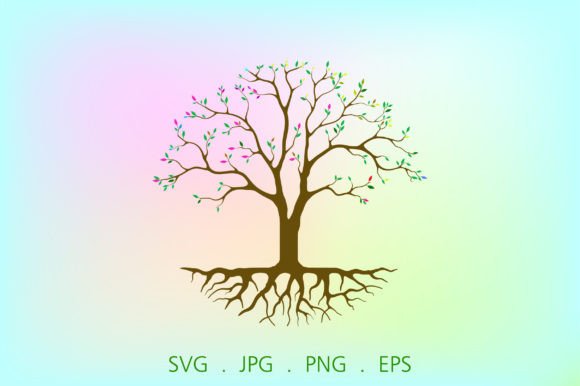
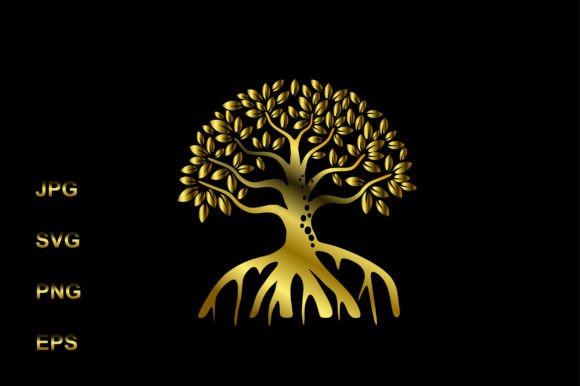
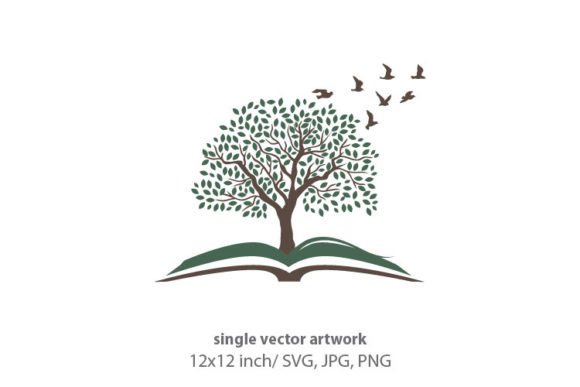
Tree Book immediately catches the eye with its elegant, nature-inspired aesthetic. The design features a stylized tree that feels both timeless and modern, making it versatile for a wide range of embroidery projects. Its clean lines and balanced composition suggest a strong visual identity that can translate well into various applications.
The mood is calm and inviting, perfect for products that aim to evoke a sense of peace or connection to nature. The layout is straightforward, with the tree as the central focus, which makes it easy to integrate into different designs without feeling cluttered.
As an embroidery designer, I appreciate how the design’s detail level strikes a balance between intricate and practical. It’s not overly complex, which means it can be adapted to different stitch types and fabric textures without losing its integrity.
Real-Life Use Cases for Tree Book
Imagine you’re working on a custom embroidered tote bag for a client who wants something meaningful and stylish. Tree Book could be the perfect fit. Its simplicity allows for clear stitching, and the design’s versatility means it can work on light or dark fabrics with the right thread color choices.
For a small shop product, such as a personalized baby onesie or a holiday gift, Tree Book offers a subtle yet impactful look. It’s ideal for handmade items that need to feel special but not overwhelming. The design also lends itself well to embroidered patches, which can be used on jackets, backpacks, or even as a logo for a craft business.
When considering commercial embroidery projects, Tree Book’s structure ensures that it can be scaled effectively. Whether it’s a sweatshirt for a boutique brand or a custom cap for a local event, the design holds up well in different formats.
Where to Be Cautious with Tree Book
While Tree Book is generally adaptable, there are some situations where it might not perform as well. For example, if you’re using it on small hoop sizes, the design might feel cramped, especially if the details are too fine. In such cases, simplifying the design or adjusting the scale could help.
On textured or stretchy fabrics, the design may not sit as smoothly as it would on a smooth, stable material. Thin or dark fabrics can also affect how the stitches show, so testing with different thread colors and stabilizers is essential.
For curved surfaces like caps or hats, the design’s straight lines might not follow the contour as naturally as a more curved design would. If you’re planning to use Tree Book on a patch, ensure that the edges are well-defined to avoid any distortion during the applique process.
Impact on Visual Appeal and Customer Perception
Tree Book adds a professional touch to any finished product. Its clean lines and structured layout make it easy to recognize, which is great for branding and consistency across different items. When used on a custom apparel piece, it can elevate the overall look and feel, making the item more appealing to buyers.
From a customer perspective, the design feels thoughtful and intentional. It’s the kind of embroidery that can be a conversation starter, whether it’s on a tote bag, a pillow cover, or a holiday gift. This can increase the perceived value of the product, especially for handmade or personalized items.
For an Etsy seller or a small shop owner, Tree Book offers a reliable design asset that can be used across multiple products. Its adaptability means it can be incorporated into different mockups, helping to showcase the design in a variety of contexts before final production.
Practical Designer Notes for Using Tree Book
Before committing to a project, always test the design on scrap fabric. This helps identify any issues with stitch density, thread color contrast, or fabric compatibility. If the design has intricate details, check how they hold up when stitched out.
Ensure that the hoop size you’re using is appropriate for the design. A larger hoop might be necessary for more detailed sections, while a smaller one could work for simpler areas. Also, pay attention to the stabilizer—using the right type can prevent puckering or distortion, especially on delicate fabrics.
If you’re planning to sell finished items or digital products, confirm the licensing terms. While the product description mentions it can be used for logos, wall art, and printed paper items, it’s always wise to double-check what’s allowed before proceeding.
Consider how the design looks in black and white mockups. This can help you understand how it will appear on different fabric backgrounds and whether adjustments are needed for visibility. Testing on both light and dark fabrics is also a good idea to ensure the design remains clear and legible.
Final Thoughts on Tree Book
Tree Book is a solid choice for embroidery designers looking for a versatile, nature-themed design. Its clean lines and balanced composition make it suitable for a wide range of projects, from custom apparel to personalized gifts. It works well in both handmade and commercial settings, offering a professional look that can enhance the appeal of any finished product.
Whether you're an Etsy seller, a craft business owner, or a hobbyist, Tree Book provides a reliable foundation for your embroidery projects. Just remember to test it thoroughly and consider the specific requirements of your intended use case. With the right approach, this design can become a valuable addition to your collection of machine embroidery designs.