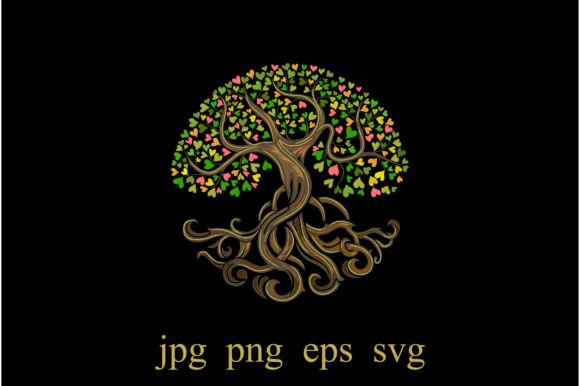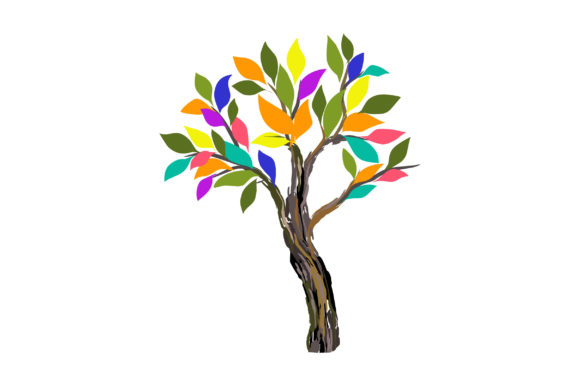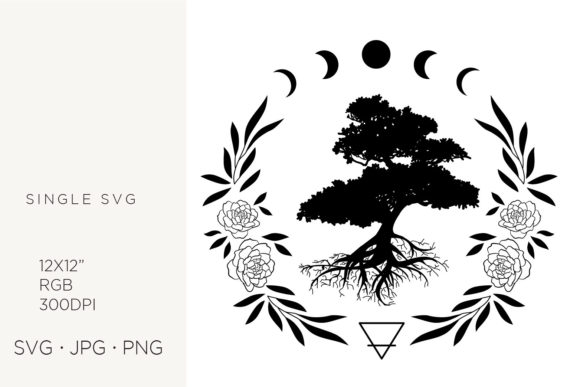
Mango Tree Vector Graphics and Illustrations
As a brand designer who has worked with countless small businesses, I always look for design assets that can elevate a brand’s visual identity without overwhelming it. The Mango Tree Vector illustrations caught my attention immediately. Their clean lines, organic feel, and natural aesthetic make them ideal for local businesses looking to create a warm, inviting brand presence.
The Mood and Personality of Mango Tree Vector
The Mango Tree Vector exudes a friendly, organic vibe that feels perfect for food-related brands, handmade businesses, and boutique stores. It suggests a sense of nature, simplicity, and authenticity—qualities that resonate well with customers who value quality and craftsmanship. This design asset is not overly bold or flashy, but rather subtle and versatile, making it suitable for both modern and rustic brand identities.
It feels like a design that could easily be used in a coffee shop, a skincare line, or a bakery. Its soft curves and gentle shapes give it a calming effect, which is great for creating a welcoming atmosphere in marketing materials or product packaging.
Real-World Applications for Small Business Branding
When working on a small business branding project, the Mango Tree Vector can serve as a powerful tool in multiple areas. For instance, if I were designing a logo for a local bakery, this vector could be incorporated into the logo itself, adding a touch of nature and warmth that complements the brand’s personality.
It also works well as a product label for handmade soaps or seasonal items. The illustration can act as a visual anchor, helping customers quickly identify the product and associate it with a specific brand story. In packaging design, it can be used as an accent element, adding visual interest without distracting from the main product information.
For social media graphics, the Mango Tree Vector can be used as a background or a decorative element in posts, banners, or ads. It adds a cohesive visual thread across all digital platforms, reinforcing brand recognition and consistency.
Supporting Business Presentation and Customer Trust
Using the Mango Tree Vector in a small business branding project can significantly enhance the overall presentation. A strong first impression is crucial for any business, especially when competing in crowded markets. This design asset helps create a more professional and polished look, which can increase customer trust and encourage repeat purchases.
It also improves product recognition by offering a unique visual signature that stands out on shelves or online. When used consistently across different design elements, it reinforces brand identity, making it easier for customers to remember and connect with the brand.
In terms of visual hierarchy, the Mango Tree Vector can guide the viewer’s eye toward key information, such as product names, pricing, or promotional offers. This makes it an effective tool in editorial design, web design, and marketing visuals.
Where Mango Tree Vector Shines
This graphic design asset excels in several areas. It works particularly well as a product label or packaging accent, where its natural aesthetic can complement the product’s theme. It also serves as a hero graphic on websites or promotional banners, drawing attention and setting the tone for the brand’s message.
For printable design projects, such as thank-you cards, stickers, or seasonal packaging, the Mango Tree Vector adds a personal and creative touch. It can be used in a variety of formats, including SVG and PNG, making it adaptable for different design needs.
Additionally, it’s a great fit for social media campaign graphics, where it can be paired with text to create engaging and shareable content. Its versatility makes it a valuable addition to any creative marketplace resource.
Where to Use It Carefully
While the Mango Tree Vector is highly versatile, there are certain situations where it should be used with caution. In formal corporate branding, where minimalism and clarity are key, this illustration may feel too ornate or decorative. Similarly, on very small labels or crowded layouts, it might not be visible enough to make an impact.
It should also be avoided in areas where legal information or ingredient lists are present, as it could compete with essential details. On low-contrast backgrounds, the illustration may not stand out as intended, reducing its effectiveness.
For luxury minimalist brands, the Mango Tree Vector might not align with the desired aesthetic. In such cases, simpler and more abstract design assets would be more appropriate.
Practical Designer Notes for Using Mango Tree Vector
Before finalizing the use of the Mango Tree Vector in a real small business branding project, I recommend testing it on actual product mockups to see how it looks in different sizes and contexts. Checking black and white usage is also important, as some design assets may lose their visual appeal when converted to grayscale.
Previewing the illustration on small labels ensures that it remains legible and visually appealing at reduced sizes. Testing it with the brand’s color palette helps determine how well it integrates with the existing design scheme.
Comparing it with competitor packaging gives insight into how unique the design will appear in the market. Checking print quality is essential, especially if the design will be used on physical products or promotional materials.
Reviewing PNG transparency and inspecting SVG or vector editability ensures that the file is compatible with various design software and workflows. Testing it beside different font styles—serif, sans serif, script, handwritten, or display fonts—helps find the best typographic pairing.
Finally, confirming commercial licensing before using the Mango Tree Vector for client work or physical product sales is a critical step to avoid any legal issues down the road.