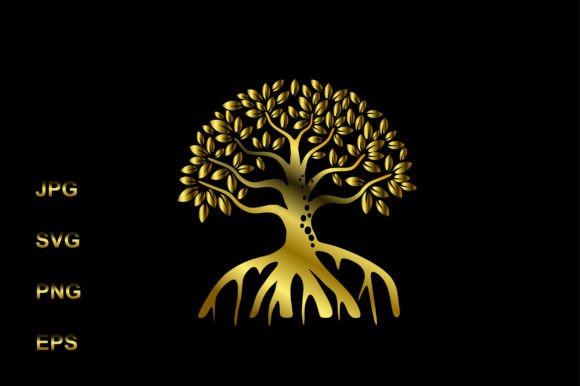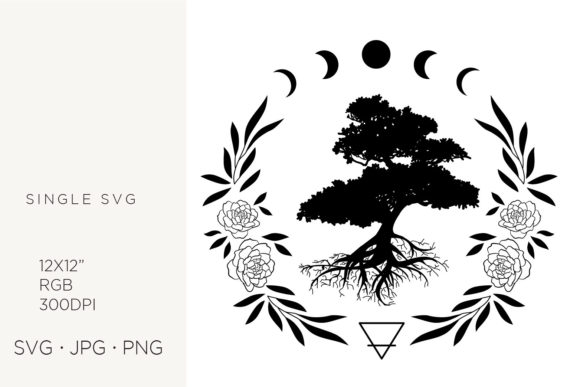
Tree of Life Graphics and Illustrations
As a graphic designer with years of experience in branding, packaging, and digital design, I often seek out high-quality illustrations that can elevate a project’s visual appeal. Tree of Life is one such design asset that caught my attention. Its intricate lines, organic feel, and symbolic meaning make it a versatile addition to any creative toolkit. But before recommending it for client projects, I wanted to test it in real-world scenarios to see how it performs.
First Impressions: A Design That Speaks Volumes
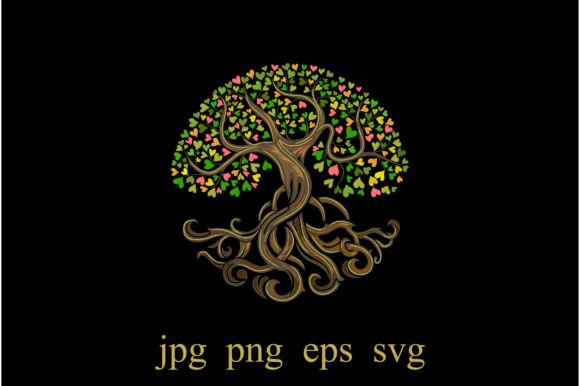
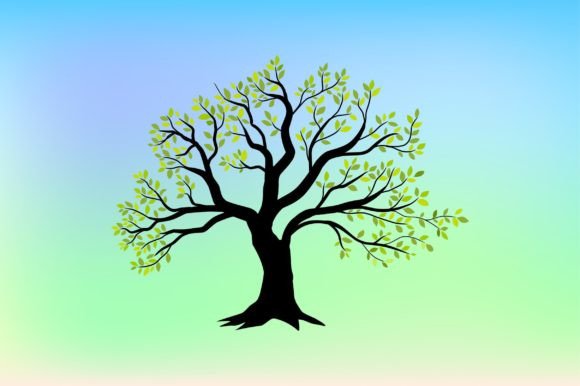
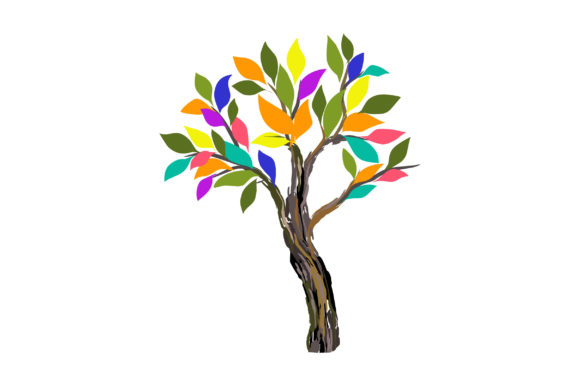
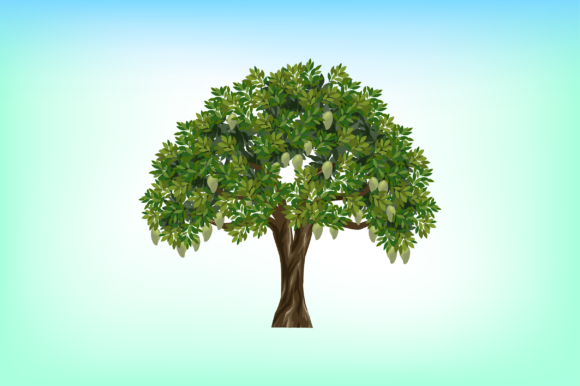
The first thing I noticed about Tree of Life is its natural elegance. The illustration exudes a sense of growth, strength, and connection—qualities that resonate well with handmade businesses, seasonal campaigns, or boutique product lines. Its style feels handcrafted yet polished, making it ideal for brands that want to convey authenticity and artistry.
The use of an RGB color palette gives it flexibility for both digital and print applications. Whether used in social media graphics or on a t-shirt design, the colors remain vibrant and consistent. The 12 x 12 artboard size and 300 dpi resolution ensure clarity at various scales, which is essential when working on product mockups or packaging design.
Real-World Applications: Where Tree of Life Shines
In logo design, Tree of Life can serve as a strong visual anchor, especially for brands rooted in nature, wellness, or sustainability. It works well as a sublimation design for mugs, tote bags, or custom apparel, adding a unique touch to printable designs. For a small business looking to launch an Etsy product, this illustration could be a key element in their branding strategy.
When placed in a Canva template or a Cricut project, Tree of Life adds depth and character. It’s perfect for sticker design, wall art, or printable wall decor. In editorial design or web design, it can act as a hero graphic, drawing attention without overwhelming the layout.
For packaging design, the illustration can be used as a decorative accent or a central motif. Its scalability makes it suitable for both large layouts and smaller product labels. When paired with a serif font, it creates a classic, timeless feel, while a sans-serif font offers a more modern twist.
Best Use Cases: Enhancing Visual Mood and Brand Identity
Tree of Life excels in projects that benefit from a rich, detailed visual. It fits naturally into themed collections, campaign visuals, or seasonal marketing materials. As a design bundle, it can be combined with other illustrations to create cohesive branding elements.
It also works well in commercial design where artistic expression is valued. Whether used in a blog visual, a Pinterest pin, or a digital ad, the illustration brings a sense of warmth and storytelling to the composition. For a handmade business or a local event, it can help create a visually engaging identity that stands out.
Caution Zones: When to Avoid Tree of Life
While Tree of Life is a powerful design asset, it may not be the best fit for every project. In minimalist branding or professional corporate materials, its complexity could clash with clean visual hierarchy. Similarly, in low-contrast designs or crowded layouts, it might lose its impact.
For a digital seller or print-on-demand business, it’s important to consider how the illustration will look on different backgrounds. Testing it in black and white or on dark surfaces can reveal potential issues. Also, ensuring that the PNG design has proper transparency is crucial if it’s meant for layered compositions.
Designer Notes: Practical Checks Before Using Tree of Life
Before using Tree of Life for a client project, I recommend testing it in multiple contexts. Preview it at small sizes to ensure it remains legible. Place it on real mockups to see how it interacts with text and other design elements. Check the SVG design for editability, and confirm that the commercial license covers all intended uses.
Comparing it with different font styles can help determine the best visual balance. For example, pairing it with a script font may add a delicate touch, while a display font can emphasize its boldness. Always review the file formats to ensure compatibility with your workflow.
Final Thoughts: A Valuable Addition to Any Designer’s Library
Tree of Life is more than just an illustration—it’s a graphic design asset that can enhance a wide range of projects. From brand identity to social media graphics, it offers a level of detail and emotional appeal that many generic clipart or stock images lack. For designers working on handmade businesses, seasonal campaigns, or creative marketplaces, it can be a valuable tool in creating visually compelling work.
Ultimately, the success of Tree of Life depends on how it’s integrated into the overall design. With careful consideration of scale, contrast, and context, it can elevate a project from good to exceptional. Whether used in a t-shirt design, a packaging concept, or a digital ad, it has the potential to leave a lasting impression on the audience.